

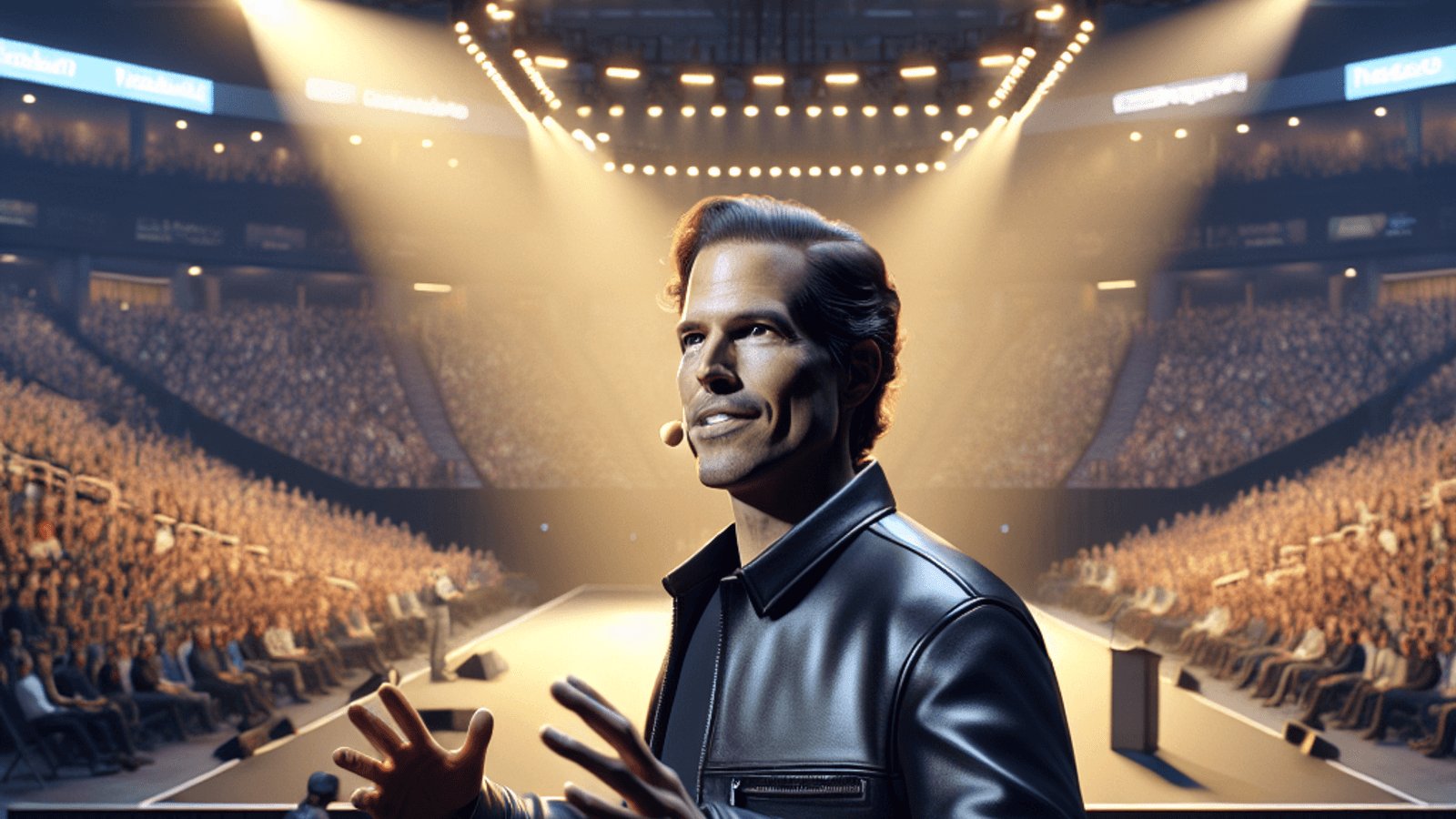
When Jensen Huang opens Nvidia's annual developer conference in a packed hockey arena, the company is expected to unveil products and partnerships aimed at preserving its lead in the rapidly changing AI chip market.
Nvidia plans to highlight advances across its stack — from chips and data center networking to CUDA software and AI agents — and to reassure investors that reinvesting profits into the AI ecosystem is producing returns. Analysts expect the company to emphasize inference performance, agentic AI and infrastructure for large-scale AI factories.
The company has moved to shore up defenses against growing competition, including customers building their own chips. Nvidia spent $17 billion to acquire Groq and is expected to show how Groq's fast inference technology can be integrated into Nvidia's platform, and to introduce servers that pair Groq chips with Nvidia networking for faster, more cost-efficient inference.
Analysts also expect Nvidia to promote its CPU-focused servers as a response to the rise of agent orchestration, and to explain investments of $2 billion each in Lumentum and Coherent for co-packaged optics to speed inter-chip connections in massive AI clusters. Despite holding more than 90% market share today, some analysts warn Nvidia could begin to lose ground by around 2027 as in-house ASIC programs scale.